A glass visor is an architectural structure designed to protect the entrance area of buildings from precipitation such as rain and snow. The main feature of glass canopies is their elegant, modern appearance, which fits perfectly into the style of modern buildings, shopping centers, offices and residential houses.
In the manufacture of the canopy is used durable, tempered glass, thickness of 8 mm, 10 mm, 12 mm, 16 mm.
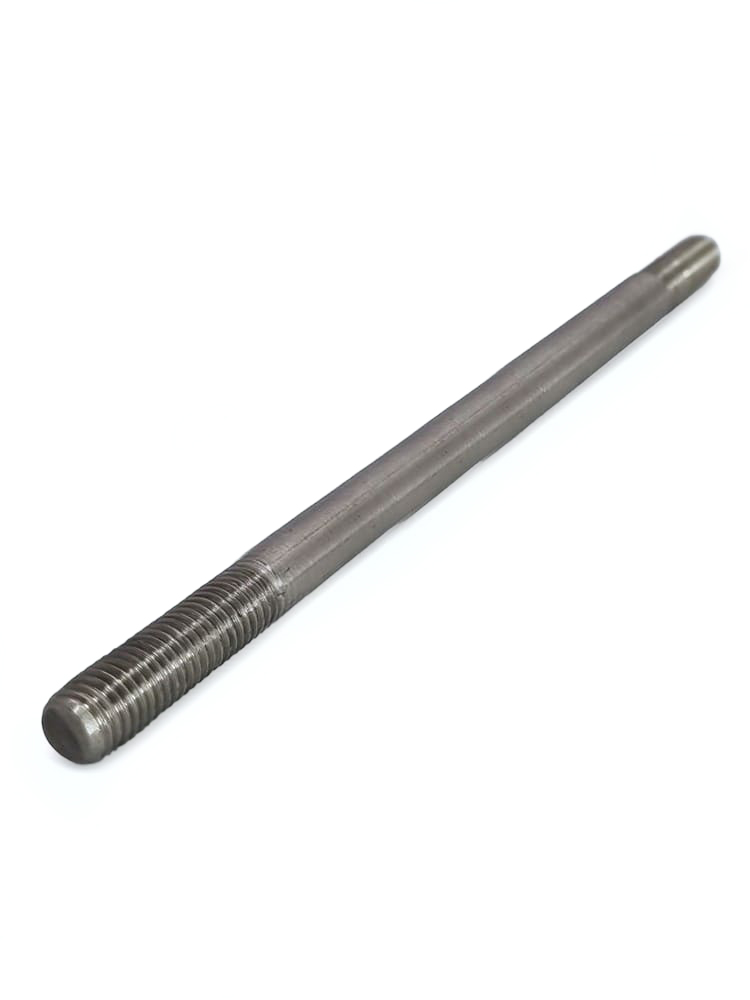
A сonnecting rod is a rigid metal rod that provides a strong connection between the glass panel and a supporting structure, such as a wall. The сonnecting rod are made of AISI 304 stainless steel because it is resistant to corrosion and mechanical stress.
Connecting rod's anchoring is a type of installation of glass structures where the main supporting element is a cable-stayed. This method is widely used for installation of glass canopies that require aesthetic but strong fixation.
Connecting rod's anchoring includes several methods of fixing, each of which has its own features and area of application.
In the first case, an anchor is used to fix the connecting rod directly into the wall. The anchor is mounted in a prepared hole, which is especially important for concrete or brick foundations, providing high reliability, even under heavy loads.
The second option involves the use of a stud, which is inserted into the mounting assembly and fixes the cable-stayed to the wall. This method is especially convenient if you need to adjust the depth of fixing, making it more versatile.
To connect the glass panel to the connecting rod, special hardware is used that acts as a clamp. It is designed to withstand the weight of the glass and additional loads, for example, from the force of wind or precipitation.
Fixing the glass panel to the wall can also be done in different ways. If an anchor is used, the hardware is fixed directly, creating a strong unit that can withstand both static and dynamic loads. An alternative solution is fixing via a stud, which, in addition to strength, offers the possibility of adjusting or replacing individual elements of the structure without the need for complete disassembly.
These methods of installation allow to adapt the fixing to different architectural tasks, combining aesthetics, reliability and functionality.
Glass canopies are a combination of grace and functionality, where each shade of glass plays a key role in creating mood and architectural character. Four unique color options offer variation for the boldest and most sophisticated designs.
This option is the epitome of transparency and neutrality. Transparent plain glass is ideal for those who appreciate brevity and maximum naturalness of perception. Such a shade allows you to create a visually simple design, without distracting attention from other architectural accents. Colorless glass harmoniously fits both modern and classic projects, creating a sense of space and freedom.
Also called ultra-transparent glass, it is a choice focused on exclusivity and flawlessness. Its peculiarity is the almost complete absence of the greenish tint inherent in standard glass. The light passing through it is diffused and the glass looks crystal clear, and a subtle bluish undertone gives the material a special sophistication and premium character.
Graphite is a stylish and spectacular solution for those who prefer deep and rich shades. Tinted black glass with a muted glow creates an impression of mystery and rigor. It blends perfectly with metal and concrete, making it ideal for minimalist or industrial facades. Graphite reduces the intensity of sunlight penetration, adding practicality and aesthetics.
Bronze is a warm, rich shade that adds sophistication and coziness to the design. Its soft brownish tone brings an air of sophistication and nobility, ideal for facades where you want to create an effect of harmony with natural elements. Bronze glass makes the light softer, adding warm golden shimmers to the interior or exterior.
Each of these shades has both visual and practical value, offering unique opportunities for light transmission, creating privacy and emphasizing architectural style.
The use of matte hardware in canopy construction is driven by both aesthetic and practical considerations. This choice is shaped by several key reasons that make matte finishes the best option.
Frosted fittings have a neutral and restrained appearance, which is perfectly combined with various shades of glass - from colorless to bronze. Its surface does not distract attention, allowing you to focus on the exquisite transparency and design of the glass elements. This choice emphasizes minimalism, which is relevant in modern architectural style.
Satin canopy hardware is less susceptible to minor scratches and marks of use. In an outdoor environment where fittings can be exposed to wind, dust and other factors, this becomes an important advantage. Polished parts, on the other hand, lose their perfect smoothness faster due to scratches that affect their appearance.
Brushed finish stainless steel hardware eliminates unwanted glare from sunlight or artificial lighting. This is especially important for canopies that are installed on building facades where glare could be annoying, or even blinding, to people passing by.
Fingerprints, smudges and other contaminants are less visible on matte fittings. In conditions of outdoor use, this makes it much easier to care for the construction elements and maintain their presentable appearance for a long time.
Satinization is perceived as a more premium solution, corresponding to modern trends in architecture and design. It emphasizes the rigor and sophistication of the structure, adding to its expensive and professional look.
The combination of these factors makes matte hardware the ideal choice for use in constructions where durability, aesthetic harmony and practicality are required.